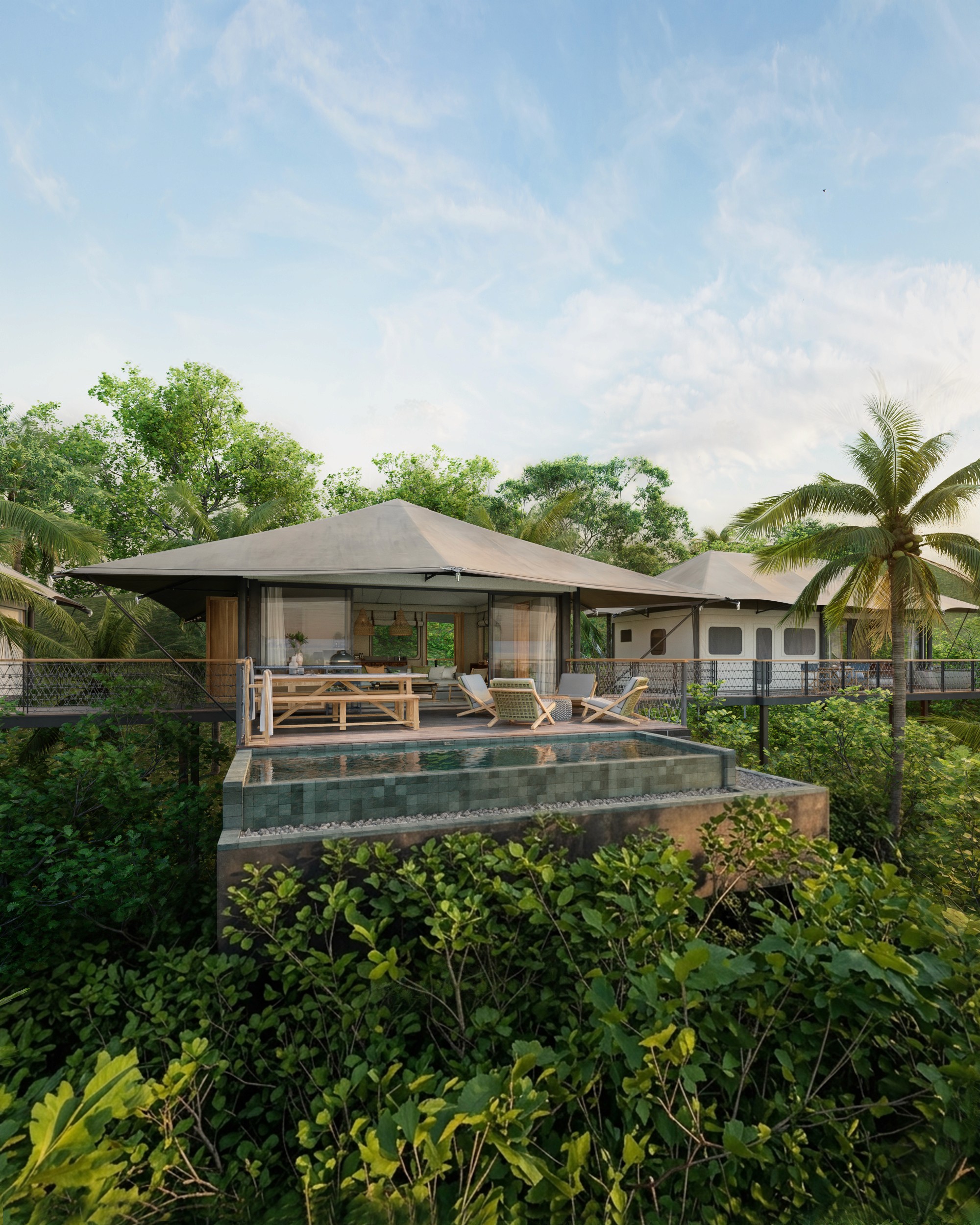
Explore the future of outdoor hospitality investment and development, where nature, thoughtful design and efficient development come together to create meaningful experiential destinations.
Travel is changing. Not slowly, and not quietly.
The traveller who once measured a stay by thread counts and room service menus is increasingly rare. In their place is someone who wants to feel somewhere. Who chooses a destination not for what it offers, but for what it asks of them. Who values proximity to nature, authenticity of experience, and the sense that a place was built with real intention.
This shift has given rise to something genuinely new in hospitality. Not a trend, but a category. Outdoor hospitality, where nature-based accommodation meets considered design and meaningful experience, is reshaping how destinations are imagined, developed and lived in.
For investors and landowners alike, outdoor hospitality investment and development is emerging as one of the most exciting areas of growth in modern hospitality.
The Rise of Outdoor Hospitality
The numbers tell part of the story. Luxury glamping, tented resorts, nature retreats and design-led camps are among the fastest growing segments in modern hospitality. Demand is outpacing supply in some of the world's most sought-after locations.
But the more interesting story is the why.
Travellers are no longer choosing experiences over accommodation out of novelty. It has become a genuine value shift. People want to be closer to the landscapes they visit. They want design that responds to its surroundings rather than ignoring them. They want hospitality that feels personal, purposeful, and real.
For developers and investors, this creates a compelling alignment. The destinations guests most want to visit are often exactly the ones that lend themselves to outdoor hospitality. Remote, extraordinary, and underserved by conventional hotel models.
Why Outdoor Hospitality Investment Is Growing
Three forces are converging to make outdoor hospitality one of the most compelling opportunities in modern hospitality real estate.
The first is traveller behaviour. Guests are choosing experience over accommodation, nature over convention, and destinations that feel discovered over ones that feel packaged.
The second is development efficiency. Traditional hotel construction is slow, capital-intensive, and unforgiving. Outdoor hospitality projects, particularly those using modular and off-site construction methods, offer a fundamentally different proposition. Shorter timelines, lighter footprints, and strong guest demand from day one.
The third is sustainability. Low-impact development, renewable energy integration, and design that respects rather than exploits its surroundings have moved from differentiator to expectation. The projects that lead on this are not just better for the environment. They are more aligned with what modern travellers actually value.
Together these forces are positioning outdoor hospitality investment as one of the most interesting areas of growth in modern hospitality real estate.

Rethinking Outdoor Hospitality Development
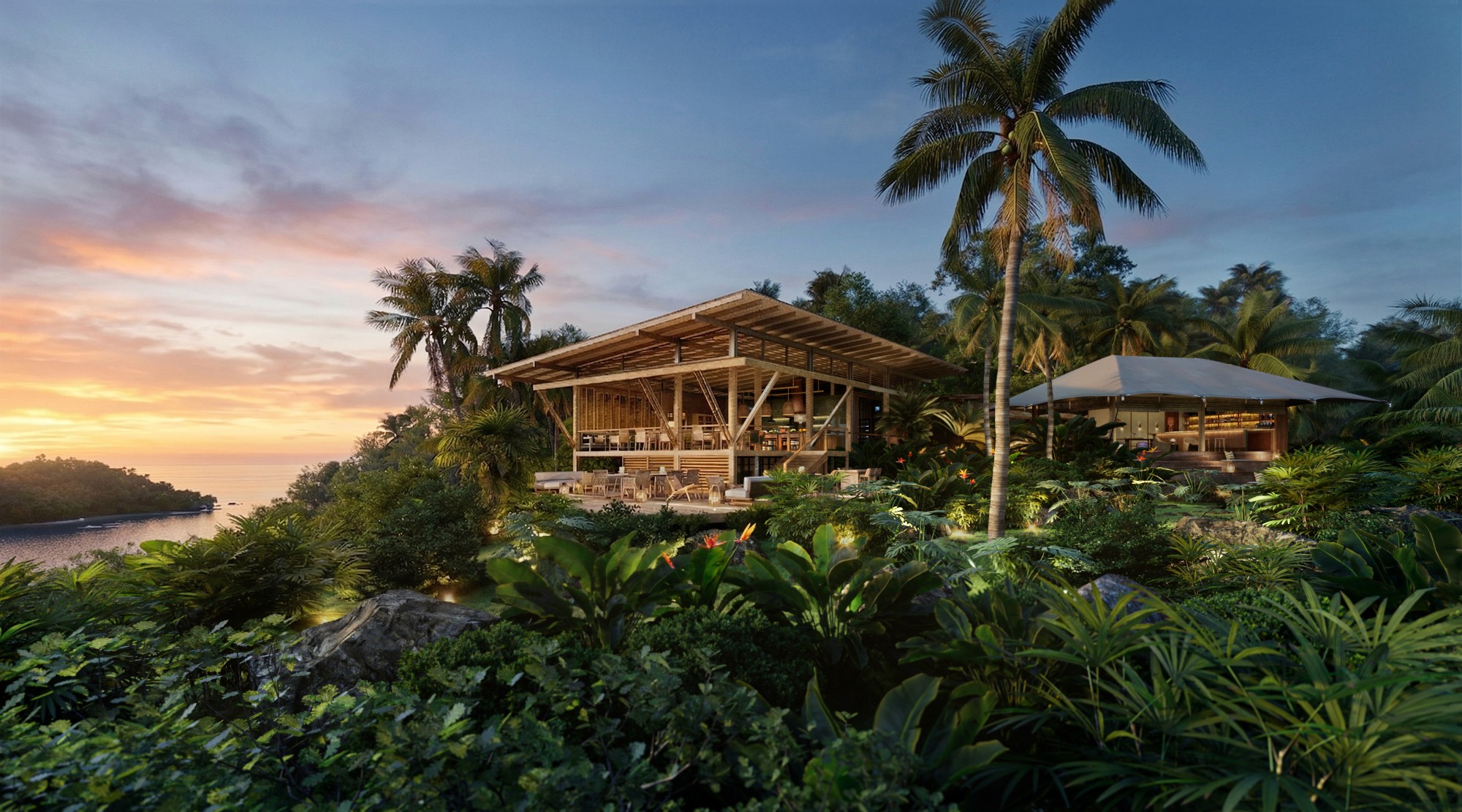
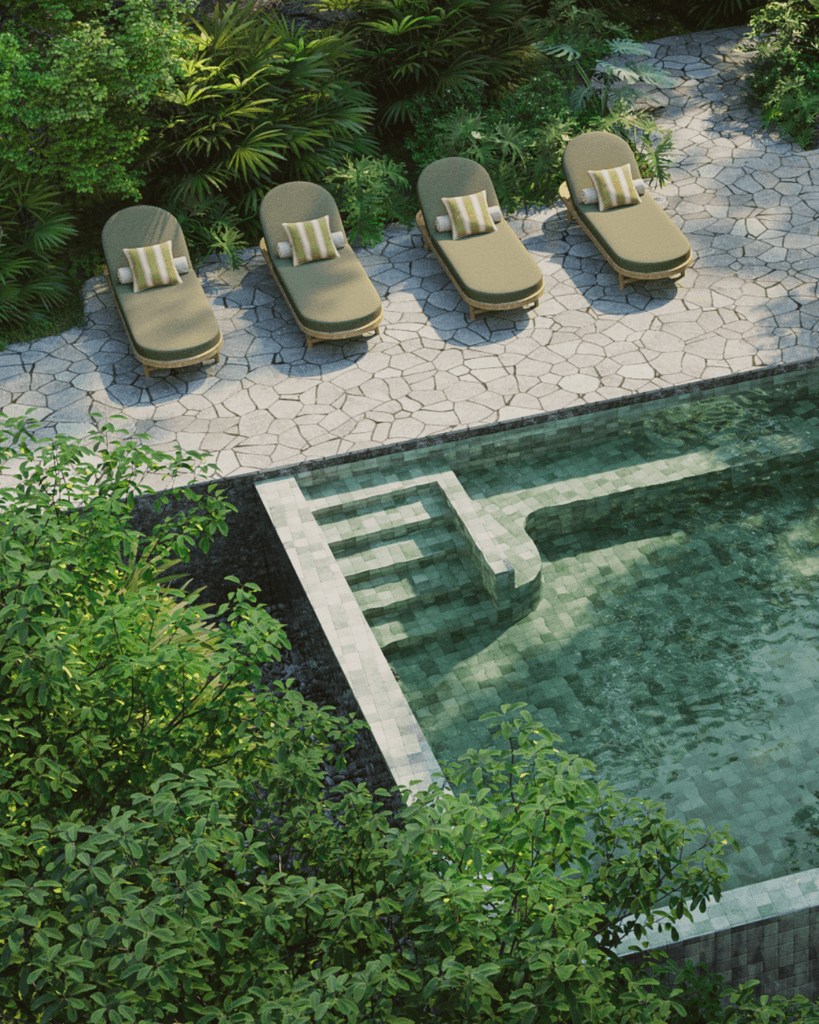
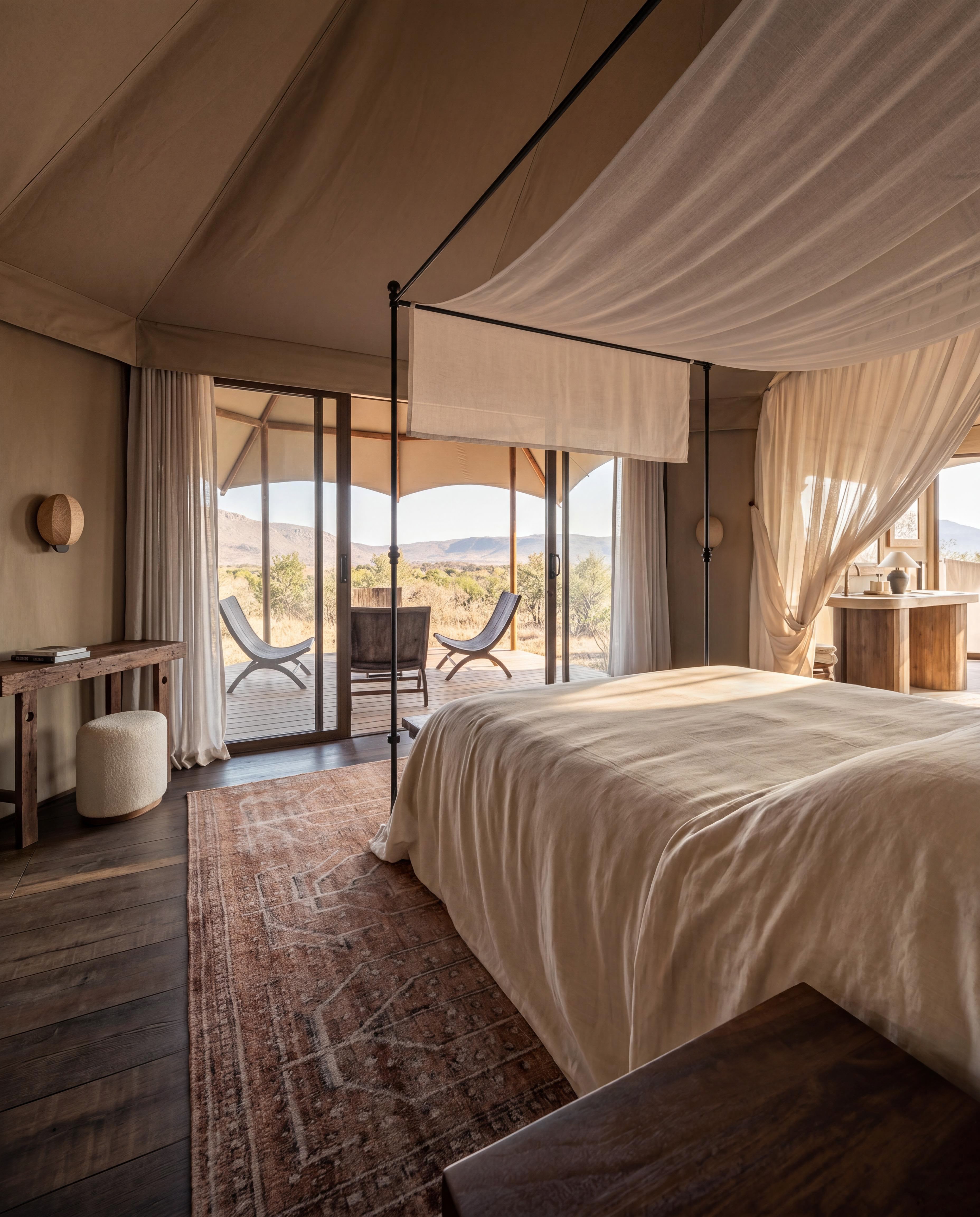
The category has matured considerably. What was once associated with basic glamping infrastructure is now delivering experiences that rival the world's finest boutique hotels. Architecture, landscape, and guest experience work together in a way that feels both refined and deeply connected to place.
But design alone is not enough.
The projects that perform best are the ones conceived from the outset with operations in mind. A destination designed purely as a real estate exercise rarely survives contact with the reality of running it. Outdoor hospitality requires a development model where design and operations are never separate conversations.
Development That Moves at the Speed of Opportunity
Markets move quickly. The ability to bring a destination from concept to opening efficiently is not just a competitive advantage. It is increasingly the difference between capturing demand at its peak and arriving too late.
Modern construction methods, including modular systems, off-site manufacturing and light-footprint structures, have changed what is possible. Development timelines that once stretched across three years or more can now be compressed to twelve months without compromising design integrity or guest experience.
By reducing complexity in the building process, development teams can focus on what truly shapes a destination. Architecture, landscape, storytelling, and service.
A More Thoughtful Approach to Hospitality
The best outdoor hospitality is not simply accommodation in a beautiful place. It is a place that could not exist anywhere else.
That specificity, the sense that every detail responds to the landscape, the culture, and the community around it, is what guests remember. It is also what creates lasting value. For the guest who returns. For the community that benefits. For the investor whose asset performs not just at opening, but over time.
This is not a conventional approach to hospitality development. It is a more considered one. And in a market increasingly shaped by travellers who can tell the difference, that distinction matters more than it ever has.
Building the Future of Outdoor Hospitality
At Cloud Collective, development is never separate from operations. Every project begins with the same question: what belongs here?
We design, develop and operate experiential hospitality brands built for the modern world. Light footprint. Considered design. A deep respect for the places and communities we build in.
If you are exploring opportunities in outdoor hospitality investment or looking to develop a new destination, we would love to hear from you.

